Story
13 Sentinels: Aegis Rim Is the Kind of Incredible Story We All Deserve
A layered ensemble sci-fi mystery where every revelation lands with a sense of wonder.
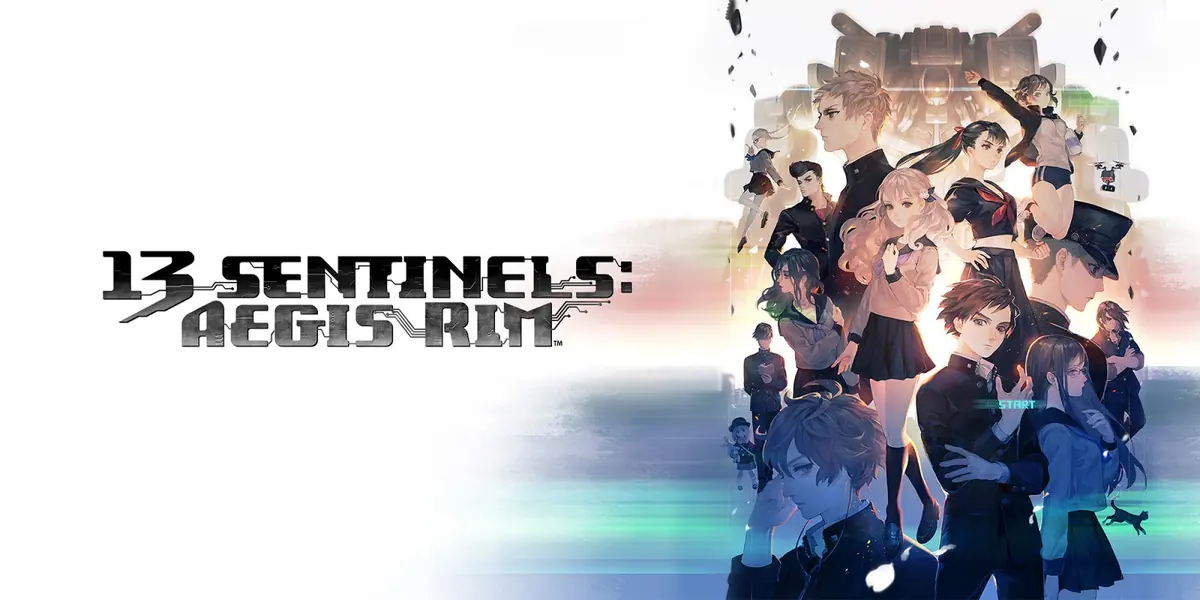
Some games are always somewhere in your peripheral vision. Maybe they sold well, maybe critics loved them, maybe everyone whose opinion you trust has told you they are worth your time. And still, for whatever reason, you never quite get around to playing them. The market keeps tugging at your sleeve, louder and more crowded every year, and those games end up stranded in a grey area of your gaming memory. You know they exist. You know they are probably special. You keep putting them off. Eventually, you almost forget them.
That was my relationship with 13 Sentinels: Aegis Rim.
It had an absurdly high GVS score, Vanillaware’s talent behind it, and Atlus on publishing duties. I had never actually played a Vanillaware game before 13 Sentinels, either. I was curious, sure, but only from a distance. Then GVS did exactly what it is supposed to do: it forced me to take a closer look at a game I had been underestimating.
The impact was extraordinary.
I was completely captivated, pulled into this strange, fantastic space and into a story I did not want to end. Because 13 Sentinels: Aegis Rim is, above all else, a beautiful and impossibly intricate narrative machine. It is built from interlocking parts, perspectives, fragments, and revelations. It feels like something that should collapse under its own complexity, and yet it holds together. Almost always in surprising ways.
By the time the credits roll, the game can leave you with questions. A lot of questions. But the remarkable thing is that the answers are there. They are all there, tucked away in conversations, archives, and scenes you have already seen from the wrong angle. Part of the pleasure is not just understanding what happened, but realizing the game had already given you the tools to work it out.
That is where its real elegance lies: in the way it tells its story. 13 Sentinels keeps moving the player from one narrative layer to another. Something that seemed to mean one thing later means something else entirely. A throwaway detail becomes essential. A scene you thought you understood flips inside out. A forgotten line suddenly carries enormous weight.
And yet those shifts in perspective never feel crude. They are prepared, planted, allowed to breathe. Then, at a certain point, the game confronts you with the truth. But it does so with such precision that your reaction is not “where did that come from?” but “of course, it was there the whole time.”
Structurally, 13 Sentinels alternates between 2D side-scrolling narrative sections, full of Vanillaware’s usual visual grace, and real-time strategy battles against waves of kaiju. I did not mind the combat at all, though I know opinion on that side of the game is far from unanimous. It is enjoyable, functional, and light enough not to get in the way of the real heart of the experience. And if it really does not click with you, you can always lower the difficulty and focus on the story.
Inside, you will find a bit of everything: school life, the 1980s, science fiction, kaiju, mechs, memory, identity, adolescence, paranoia, fate, and plenty more that it would almost be a crime to even hint at.
Because some stories should not be explained too much. They should simply be recommended.
And 13 Sentinels: Aegis Rim is a magnificent story.